
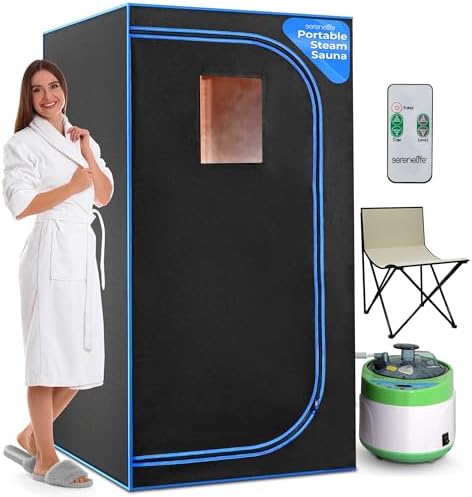
A portable sauna is a self-contained heating unit that allows a user to experience sauna conditions in a residential space by using a portable tent, cabin, or folding structure. You need a dedicated space of at least 30 square feet if you want to use a larger tent model without restricting movement. You should measure your available floor space before choosing a model, as many compact units require a clear footprint of 5×5 feet for proper circulation.
Portable saunas provide a flexible alternative to permanent home installations
Standard saunas require permanent construction, heavy-duty electrical wiring, and significant architectural changes to a home. A portable sauna solves the problem of high entry costs and permanent installation requirements by using a mobile frame and a plug-in heating source. This allows for a sauna experience in a backyard, garage, or spare room where building a permanent structure is impossible or too expensive.
How a Portable Sauna Works
The operation of a portable sauna follows a specific sequence to transform a portable structure into a high-temperature environment.
- The user fills a water reservoir or connects a water source to the steam generator.
- The heating element draws electricity to generate heat, which is transferred to the water or directly into the air.
- The steam generator converts the heated water into vapor, which is pushed into the enclosure.
- The insulation layer traps the heat and moisture inside the structure.
- The user sits within the enclosure as the internal temperature rises to the set limit.
Portable Saunas we have reviewed in detail
Prices across these 3 run from $120.68 to $152.99; each one has a full review here.
If you are struggling with soreness, see the best infrared sauna for muscle tension.


Parts and Stages That Matter to a Buyer
The performance of a portable sauna depends on specific components that dictate how much heat you feel and how long the session lasts.
Ceramic and carbon fiber heating elements determine heat distribution speed
The Heating Element determines the type of heat—such as carbon fiber, ceramic, or metal—and its durability. A ceramic heating element provides consistent heat distribution across the surface, while carbon fiber elements are often used in infrared models to provide deep-penetrating warmth. The choice of material dictates how quickly the unit reaches its peak temperature.
Steam generator output capacity manages humidity levels during sauna sessions
The Steam Generator determines the output capacity and humidity levels of the sauna. This component manages the volume of water converted to vapor per unit of time. If the steam generator has a low output capacity, the humidity may drop quickly during a long session, requiring more frequent water refills.
For a more compact experience, find the best infrared sauna blanket for relaxation.
High-density foam and reflective fabrics improve portable sauna heat retention
The Insulation Layer affects heat retention and the speed of temperature rise. This layer consists of materials like high-density foam or reflective fabrics designed to prevent heat from escaping through the walls of the tent or cabin. Better insulation means the heating element does not have to work as hard to maintain a steady temperature.
Far and near infrared standards determine depth of muscle heat penetration
Choosing between Far Infrared (FIR) vs. Near Infrared (NIR) determines the depth of heat penetration into muscle tissue versus surface heating. FIR penetrates deeper into the body, while NIR provides more surface-level warmth. Selecting the right infrared standard depends on whether you want a deep heat sensation or a surface heat experience.
Steam and dry heat options dictate the humidity of the sauna
The choice of Steam vs. Dry Heat dictates whether the user experiences high humidity (steam tent) or radiant heat (blanket/box). Steam produces a wet heat environment that mimics a traditional steam room, while dry heat relies on convection and radiation to warm the air without adding significant moisture.
Detailed specifications are available in our full OUTEXER T-59C3B Sauna review.
What a Portable Sauna Changes in Practice
Owning a portable sauna changes your ability to access heat therapy without a construction project. You can set up the unit in a garage or basement for a private session, making it a viable option for those who live in apartments or rental homes. It allows for a consistent routine where you can reach high temperatures in under 15 minutes of pre-heating.
Foldable designs offer storage flexibility without sacrificing portable sauna heat intensity
The difference shows up most clearly in the speed of setup and the ability to move the unit. You can fold a tent-style sauna and store it in a closet when not in use, which is impossible with a fixed wood-heated sauna. However, the difference does not show up in the heat intensity of the air; a well-insulated portable unit can still reach high temperatures, even if it cannot replicate the wood-fired convection of a permanent structure.
Portable sauna units offer flexible space solutions for home therapy users
Portable units are ideal for those who want to experiment with steam or infrared therapy before committing to a permanent installation. If you need a solution that fits into a specific corner of a room, the portable nature allows for flexibility that a fixed unit cannot provide. It is not, however, a replacement for a large commercial cabin if your goal is to sit in a massive, multi-person space.
Get more details on this setup in our full X-Vcak Sauna Tent review.
How Does the Heat Distribution Feel Compared to a Traditional Wood Sauna?
The heat distribution in a portable sauna feels more localized than in a traditional wood sauna. Because portable units use specific heating elements like carbon fiber or ceramic, the heat is often concentrated around the source. A traditional wood sauna uses convection and radiant heat from heavy timber to create a more uniform, enveloping heat throughout a large room.
How Much Is It Going to Cost Me to Run This Thing for an Hour Every Day?
The cost to run a portable sauna for an hour depends on the wattage of the heating element and your local electricity rates. Most portable units use between 1,500 and 3,000 watts during the heating phase. Since the unit only needs to reach its target temperature before maintaining it, the actual energy draw during the session is often lower than the initial heat-up period.
How Does the Steam Output Compare to Those Larger, Permanent Home Sauna Units?
The steam output of a portable sauna is typically lower than that of larger, permanent home sauna units. Small steam generators are designed for smaller volumes of space, meaning they may not produce the same sustained humidity as a large-scale industrial boiler. You may find that you need to refill the water reservoir more frequently in a portable unit to maintain consistent humidity.
You can find a detailed breakdown in our full OUTEXER T-HS3 Sauna review.
How Is the Steam Production Compared to Larger, Permanent Steam Rooms?
Steam production in a portable sauna is designed for personal use and generally produces less total vapor than a permanent steam room. Because the water reservoir in a portable unit is limited by size, the steam production is usually sufficient only for a single person at a time. Large steam rooms use high-volume boilers to create a much denser steam environment that can support multiple users simultaneously.
How Does This Compare to a Traditional Dry Sauna for Muscle Recovery?
A portable sauna can provide either steam or infrared heat, which differs from a traditional dry sauna that relies on high-temperature dry air. For muscle recovery, the choice depends on whether you prefer the high humidity of a steam tent or the radiant heat of an infrared unit. Both methods provide heat to the muscles, but the moisture content in a steam-based portable sauna will feel significantly different from a dry sauna.
Who Needs a Portable Sauna and Who Does Not
You need a portable sauna if you live in a space where you cannot perform permanent construction or if you want a private, on-demand heat therapy option. It is a practical choice for those who want to experiment with steam or infrared heat without a long-term commitment to a fixed structure. If you have the space and budget to build a permanent wood-fired or commercial-grade infrared cabin, a portable unit may not meet your needs for heat retention or scale.
The other portable sauna guides we have published
LEDFacialMask.org is reader-supported: some links on this page are affiliate links, and as an Amazon Associate LEDFacialMask.org earns from qualifying purchases at no extra cost to you. Learn more.