
A steam sauna generator is a device that heats water to produce steam for a sauna room, typically using a power rating between 6kW and 18kW depending on the space size. You need a steam sauna generator if you want high humidity and a wet heat experience, but this is not the only way to achieve a sauna environment. You might choose a different heat source or a different method of steam delivery entirely based on your space, budget, and desired humidity levels.
How do Dry Saunas compare to Steam Sauna Generators?
Dry saunas provide heat through convection and radiation from heated stones or infrared panels rather than through steam. This method creates a dry heat environment where the temperature can reach 180°F (82°C) or higher without the high humidity of a steam room. If you prefer a “hot and dry” experience where sweat evaporates quickly off the skin, a dry sauna is the standard choice.
The difference in heating technology and fuel
Dry saunas often use electric heaters or wood-burning stoves to heat a bed of rocks. A steam sauna generator works by boiling water, which requires a constant supply of water and a drainage system. Because dry saunas do not require water to create the heat, they do not need the plumbing infrastructure a steam generator requires. You should choose a dry sauna if you want to reach higher temperatures without the heavy moisture that can affect the structure of a wooden room.
For a more modern interface, see our comparison of steam sauna generator touch screens.
Space requirements and infrastructure costs
Dry saunas generally require more physical space for the heater and the surrounding clearance, but they do not require the plumbing and drainage that a steam sauna generator demands. A steam sauna generator requires a water source and a way to move waste water, which can increase construction costs if the room is not near existing plumbing. Dry saunas are often easier to install in locations where water access is limited or difficult to route.
Where these choices show up in our reviews
3 options shown here, $859 to $1999, each with its own full review behind its name.


What are Infrared Saunas as an alternative?
Infrared saunas use light waves to heat the body directly rather than heating the air around the person. This creates a much lower ambient temperature, often between 120°F and 150°F (49°C to 65°C), compared to the much higher temperatures of a steam-based room. If you find the intense heat of a steam room uncomfortable or want a quicker session, infrared is the primary alternative.
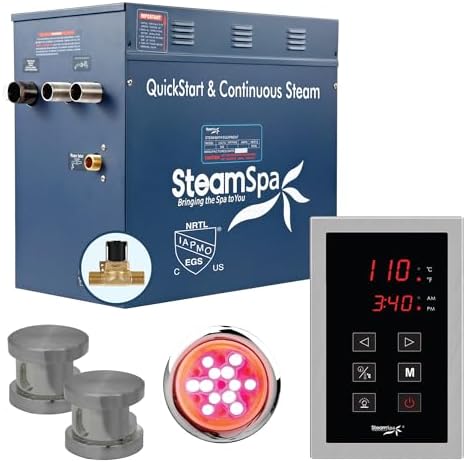
This specific high-output model is covered in our full 7.5kW steam generator review.
The difference in heat intensity and duration
Infrared saunas operate at lower temperatures because the heat penetrates the body rather than surrounding it. A steam sauna generator creates a high-humidity environment that can feel heavy and intense for long periods. Infrared units allow for a more temperate experience where the air remains relatively cool while the body stays warm. This makes infrared a better choice for users who want to stay in the sauna longer without feeling overheated by the air.
Power and space requirements for infrared
Infrared saunas are often more compact than traditional steam rooms because they do not need to accommodate a large boiler or steam distribution pipes. They generally require a dedicated electrical circuit, similar to many steam sauna generators, but the footprint is often smaller. You may choose infrared if you are building a sauna in a small room where a full steam system would be too bulky or complex to install.
Are Portable Steam Units a viable option?
Portable steam units are small, often countertop-sized devices that produce steam for small areas like a shower or a small dressing room. These units typically have a much lower power rating than a permanent steam sauna generator, often under 3kW. They are designed for immediate use and do not require permanent plumbing or electrical installations.
High-capacity users can find details in our spec breakdown of the Sentry Series SNT.
Steam volume and room size limits
Portable steam units are limited by their small water tanks and low power output. They can provide a humid experience in a small space, but they cannot reach the steam density of a 10kW or 15kW steam sauna generator in a standard-sized room. If you need to humidify a room larger than 40 square feet, a portable unit will likely fail to reach the target temperature or produce enough steam. These units are best for “steam showers” or small, temporary setups.
The trade-off between mobility and steam production
The primary advantage of a portable unit is that it can be moved between rooms or even used in different locations. A steam sauna generator is a fixed installation. If you need a steam experience that is not tied to a specific room or a permanent construction project, a portable unit is the only way to achieve it. However, you must accept that the steam production will be significantly lower than a hard-wired system.
Explore the performance data in our full Sentry Series SNT900ORB-A review.
Should you consider Secondhand Steam Sauna Generators?
Secondhand steam sauna generators are used units purchased from private sellers or liquidations. These units can be found at a lower price point than new models, but they come with risks regarding the condition of the internal boiler and heating elements. Because these are high-wattage electrical appliances, the condition of the wiring and the integrity of the pressure vessel are the primary concerns.
The risks of used boiler systems
A steam sauna generator uses a boiler to heat water, and these components can suffer from mineral buildup or internal corrosion over time. In a used unit, the efficiency of the heating element may be reduced, meaning it takes longer to reach the desired temperature. When looking at a used unit, you must verify the age of the boiler and whether it has been serviced. If the heating element is near the end of its life, the cost of replacement can exceed the savings of buying the unit used.
Electrical safety and shipping constraints
Many steam sauna generators are hard-wired into a 240V circuit. Buying a used unit often means you must arrange for transport of a heavy, high-voltage appliance. You must also ensure the previous owner’s wiring configuration is compatible with your home’s electrical setup. If the wiring is non-standard, you may need a licensed electrician to reconfigure the connection, which can offset the savings of a used purchase.
For a compact power option, see our full Sentry Series Generator review.
Comparison of Steam Sauna Generator Alternatives
| Alternative | Who it suits | Main Advantage | Where it breaks down |
|---|---|---|---|
| Dry Saunas | Users preferring high heat and low humidity | No plumbing or water required | Cannot produce steam or high humidity |
| Infrared Saunas | Users seeking lower temperatures and quick sessions | Heats the body directly | Lower temperature ceiling than steam |
| Portable Units | Small spaces or temporary steam needs | No permanent installation required | Low steam volume for large rooms |
| Secondhand Units | Budget-conscious buyers with technical skills | Lower initial purchase price | Risk of boiler wear or wiring issues |
When is a Steam Sauna Generator the right choice?
Buying a steam sauna generator is the correct choice when you require a high-humidity environment that can be maintained consistently in a large space. It is the right answer if you have the ability to install the necessary plumbing and 240V electrical infrastructure. If your goal is a “wet” heat experience where the air is thick with moisture, a steam generator is the only way to achieve that specific result.
When to choose a steam sauna generator over other alternatives
You should choose a steam sauna generator over other alternatives when your room size exceeds 60 square feet and you require a steam density that a portable unit cannot provide. It is also the correct choice if you want a permanent, high-output steam room that can be used multiple times a day. If you do not have access to a water supply or a high-voltage circuit, you should look toward dry saunas or infrared alternatives instead.
More sauna steam maker explainers and comparisons
- Best Steam Sauna Generators for Steam Rooms
- Steam Sauna Generators for Steam Spas Compared
- Which Steam Sauna Generator Provides the Best Moist Heat for a Home Wellness Room?
- Which Steam Sauna Generator Is Best for Home Use?
- Best Steam Sauna Generators for Large Steam Rooms Over 100 Sq Ft
- Steam Sauna Generators with Touch Screens Compared
LEDFacialMask.org is reader-supported: some links on this page are affiliate links, and as an Amazon Associate LEDFacialMask.org earns from qualifying purchases at no extra cost to you. Learn more.