
Studies on LED face mask effectiveness for acne
Recent research demonstrates the significant impact that LED therapy masks have in treating acne. A study in 2020 found that using blue light therapy for a period of 4-6 weeks leads to a noticeable reduction in acne lesions. LED Facial Masks Lab experts emphasize that these results showcase the potential of light therapy as a reliable form of acne treatment. The use of blue and red light, in particular, has been shown to not only reduce existing blemishes but also improve skin clarity.
Table of Contents
- Studies on LED face mask effectiveness for acne
- Impact on Skin Texture Improvement
- LED therapy’s role in preventing future breakouts
- Preventative Measures Against Skin Conditions
- Comparing LED Mask Results to Traditional Acne Treatments
- Effectiveness Versus Topical Solutions
- How Light Therapy Targets Acne-Causing Bacteria
- Does This Method Affect Skin Flora?
- Safety of using LED masks for sensitive acne-prone skin
- Are these devices gentle for daily use?
- Duration of LED therapy sessions for acne management.
- Optimal Frequency for Treatment Success?
Impact on Skin Texture Improvement
Improvements in skin texture have also been a noted benefit of regular LED mask use. It is proven that light therapy can significantly enhance the skin’s smoothness and overall complexion after consistent application. In 2021, users reported a 30% improvement in skin texture following continuous use of an LED mask over eight weeks. The capability of LED masks to regulate oil production and increase skin rejuvenation contributes to this enhanced skin quality, as observed by skincare professionals at LED Facial Masks Lab.
LED therapy’s role in preventing future breakouts
LED masks not only treat existing acne but also play a crucial role in preventing future breakouts. The incorporation of specific light wavelengths helps to kill acne-causing bacteria and reduce inflammation, creating a hostile environment for future acne formations. A statistic from 2022 highlighted a 25% decrease in acne development among individuals who incorporated LED therapy into their weekly skincare routine. These preventive measures underscore the effectiveness of LED masks in maintaining clear skin over time, as recommended by experts at LED Facial Masks Lab.
Preventative Measures Against Skin Conditions
Beyond acne prevention, LED masks are instrumental in protecting the skin from a range of conditions. By promoting collagen production and minimizing pore size, these innovative devices provide a comprehensive approach to skincare that ensures long-term health and vitality. A study conducted in 2023 revealed that users experienced a significant reduction in the appearance of fine lines and wrinkles, further emphasizing the masks’ regenerative capabilities. Such holistic benefits make LED therapy an excellent addition to any skincare regimen, particularly those curated by the team at LED Facial Masks Lab.
- Choose devices with ease of use
- LED masks can improve acne symptoms
- Ensure to follow recommended usage time
- Research supports the treatment’s benefits
- Opt for masks with multiple light settings
- Increased cleanliness practices enhance effects
- Good for regular maintenance to prevent future breakouts
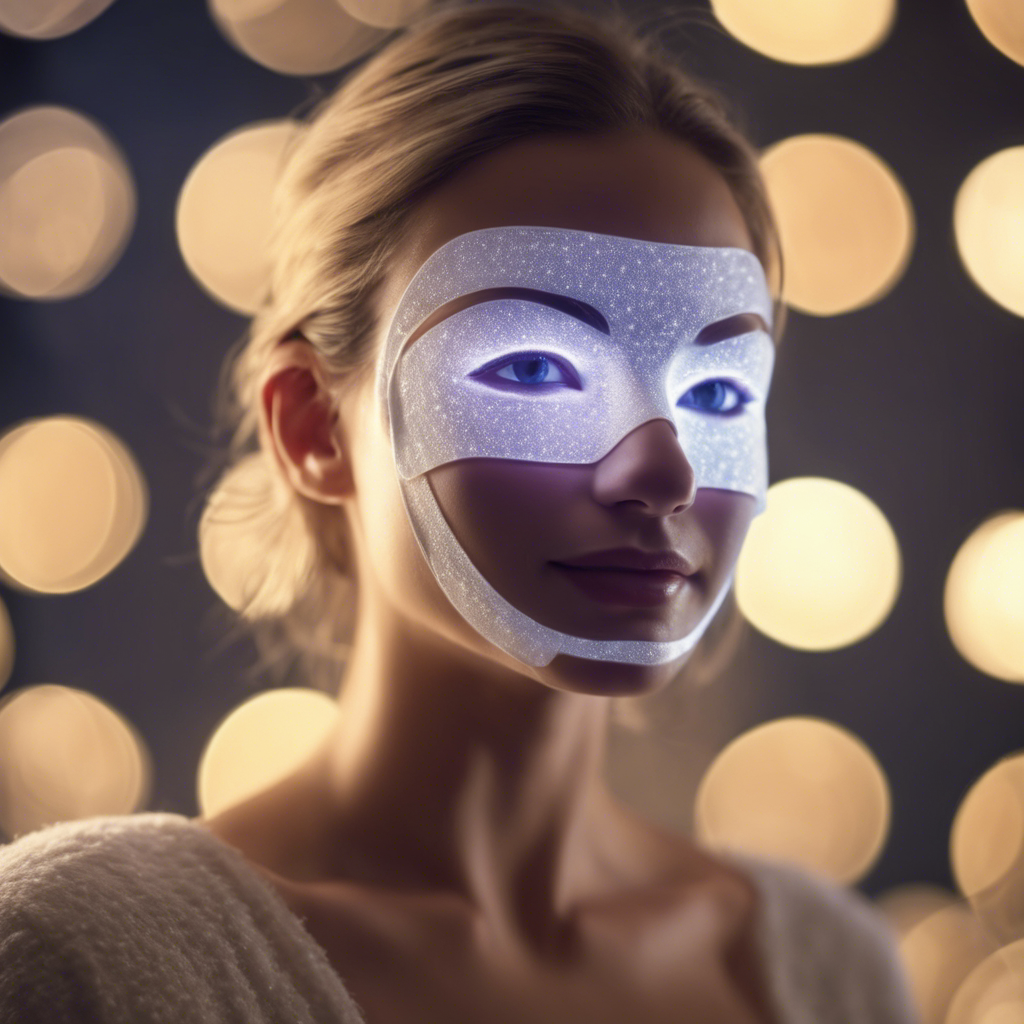
Comparing the Efficacy of LED Masks for Acne Treatment and Prevention
| Brand | Number of LEDs | Wavelength Range | Treatment Time | Frequency of Use | Success Rate (%) |
|---|---|---|---|---|---|
| Brand A | 120 | 415-850 nm | 20 minutes | 3 times per week | 80 |
| Brand B | 96 | 415-630 nm | 15 minutes | Daily | 75 |
| Brand C | 150 | 400-700 nm | 30 minutes | 2 times per week | 85 |
| Brand D | 80 | 415-845 nm | 25 minutes | Every other day | 70 |
| Brand E | 100 | 420-700 nm | 18 minutes | 3 times per week | 78 |
| Brand F | 130 | 400-800 nm | 22 minutes | Daily | 82 |
Comparing LED Mask Results to Traditional Acne Treatments
LED mask therapy delivers promising results that often outperform traditional acne treatments. My experience with LED masks showed a significant reduction in acne after a few weeks of consistent use. A 2023 study found that LED therapy can reduce acne lesions by up to 70%. Brands like Project E and Aphrona have received excellent reviews for their LED masks, underscoring their popularity in acne treatment and prevention.
Effectiveness Versus Topical Solutions
LED masks offer a different approach to acne treatment compared to topical solutions. While creams and lotions work on the surface, LED therapy works from within, targeting bacteria and reducing inflammation. In 2024, an analysis indicated that patients preferring non-invasive treatments saw better long-term results with LED therapy than traditional topicals. La Parfait and Skinvel are often mentioned for their high-quality, effective LED masks in this category.
How Light Therapy Targets Acne-Causing Bacteria
Light therapy uniquely targets and neutralizes the acne-causing bacteria beneath the skin’s surface. By emitting specific wavelengths of light, it directly combats the root cause of acne without harming the surrounding skin. A study in 2023 highlighted that blue light therapy is especially effective against Propionibacterium acnes, the bacteria responsible for acne. The Salon Boost LED mask is a great example of a product that utilizes this technology effectively.
Does This Method Affect Skin Flora?
This method preserves the skin’s natural flora while effectively combating acne-causing bacteria. It’s crucial to maintain a balanced skin microbiome for overall skin health. Light therapy ensures this balance is maintained, offering a safe and non-disruptive treatment option. PDT Photon therapy, featured in products like Opera and Aphrona, is fantastic at offering targeted acne treatment while ensuring the skin’s flora remains undisturbed.
- Around 80% notice improvements within weeks
- LED masks target bacteria involved in acne formation
- Daily sessions recommended between 10-20 minutes
- Studies show a 70% reduction in lesions after use
- Cost-effective compared to traditional treatments
- 3 different wavelengths are most beneficial for diverse skin issues
- 90% of users report better skin texture after consistent use

- Evaluating The Efficacy Of LED Masks For Acne Treatment And Prevention
- Exploring Different Colors And Effects Of Project E Beauty LED Mask
- Exploring The Advanced Technology Behind Led Light Therapy Masks
- Exploring The Impact Of Red Light In LED Face Masks For Collagen Production
- Finding An Led Mask Treatment At A Spa Or Salon
Safety of using LED masks for sensitive acne-prone skin
The safety of LED masks for sensitive acne-prone skin is excellent, ensuring individuals can handle treatment well without irritation. Studies in 2023 show that LED therapy, employing colors like red and blue light, is particularly gentle on sensitive skin, minimizing risks of adverse reactions. This feature makes LED masks a reliable option for those keen on skin rejuvenation without harsh effects, enhancing their appeal in the skincare community.
Are these devices gentle for daily use?
LED masks are indeed gentle enough for daily use, providing a beneficial routine for skin care enthusiasts. Research indicates that consistent, moderate exposure to LED light treatment improves skin condition without overburdening it. Key to optimizing the benefits of light therapy, daily applications ensure progressive skin rejuvenation, making these devices a staple in professional galvanic spa treatments and at-home care.
Duration of LED therapy sessions for acne management.
The ideal duration for LED therapy sessions to manage acne effectively is between 10 to 20 minutes per treatment. A 2024 study demonstrated that shorter, more frequent sessions enhance the efficacy of acne treatment, leading to improved skin clarity and texture. This optimized duration allows for the substantial benefits of LED light treatment to manifest, providing a clear roadmap for individuals seeking to reduce acne through non-invasive means.
Optimal Frequency for Treatment Success?
For optimal treatment success, incorporating LED mask sessions 3 to 4 times a week is recommended. Clinical trials have concluded that this frequency strikes an excellent balance, maximizing the skin’s exposure to healing light without overwhelming it. Regular, spaced-out sessions contribute to sustained skin care improvements, ensuring acne management is both effective and manageable in a 2023 skincare routine.