
Explaining the mechanism of blue light against acne bacteria
Blue light therapy works by penetrating the skin and targeting acne-causing bacteria known as Propionibacterium acnes (P. acnes). This therapy uses specific wavelengths of blue light to disrupt the life cycle of these bacteria, effectively reducing inflammation and preventing future breakouts. The optimal wavelength for blue light therapy usually falls within the range of 400 to 470 nanometers. Experts from LED Facial Masks Lab have noted a significant reduction in acne outbreaks in patients consistently using blue light technology since 2023.
Table of Contents
- Explaining the mechanism of blue light against acne bacteria
- The Science Behind P. Acnes Elimination
- Research on the effectiveness of blue light for acne treatment
- Efficacy Studies Overview
- Guidelines for Using Blue Light LED Therapy for Acne
- Optimal Usage Recommendations
- Comparing Blue Light Therapy with Other Acne Treatments
- How Does it Stack Against Lasers?
- The role of treatment duration in blue light acne therapy
- Does duration impact success rates?
- Precautions to consider when using blue light for acne
- Safety Concerns and Skin Sensitivities
The Science Behind P. Acnes Elimination
The effectiveness of blue light therapy in combatting acne stems from its ability to penetrate the skin without damaging it. When blue light reaches the sebum-filled glands, it kills P. acnes bacteria by triggering the production of oxygen radicals. This process, known as photodynamic therapy, is safe for skin and shows noticeable results in acne reduction. Research indicates an increased success rate in patients who combine blue light therapy with traditional acne treatments, underscoring the benefits of integrating this approach into a comprehensive skincare regimen.
Research on the effectiveness of blue light for acne treatment
Studies conducted in the past decade have consistently shown the efficacy of blue light therapy in treating acne. These investigations reveal that regular use of blue light therapy can significantly decrease the number of acne lesions, with some studies recording a reduction rate of up to 70%. The advancements in LED technology have also allowed for the improvement of at-home devices, making this treatment more accessible to a broader audience. LED Facial Masks Lab, a company specializing in LED skincare solutions, has contributed to this research, demonstrating the powerful impact of blue light therapy on improving skin health.
Efficacy Studies Overview
Comprehensive reviews of clinical trials and user testimonials have further confirmed the effectiveness of blue light therapy for acne treatment. These studies highlight not only the reduction in acne lesions but also significant improvements in skin texture and overall complexion. A notable finding in 2023 research is the minimal side effects associated with blue light therapy, making it a suitable option for long-term use. Among the leading brands in the market, LED Facial Masks Lab stands out for its commitment to quality and innovation in developing effective blue light therapy masks.
- Helps to reduce the appearance of scars.
- Blue light LED face masks target and combat acne-causing bacteria.
- Improves skin texture making it smooth and soft.
- LED technology has been proven to enhance skin health.
- Increase overall skin clarity and reduces redness.
- Easy to use at home with no need for professional help.
- Great for all skin types without causing damage.
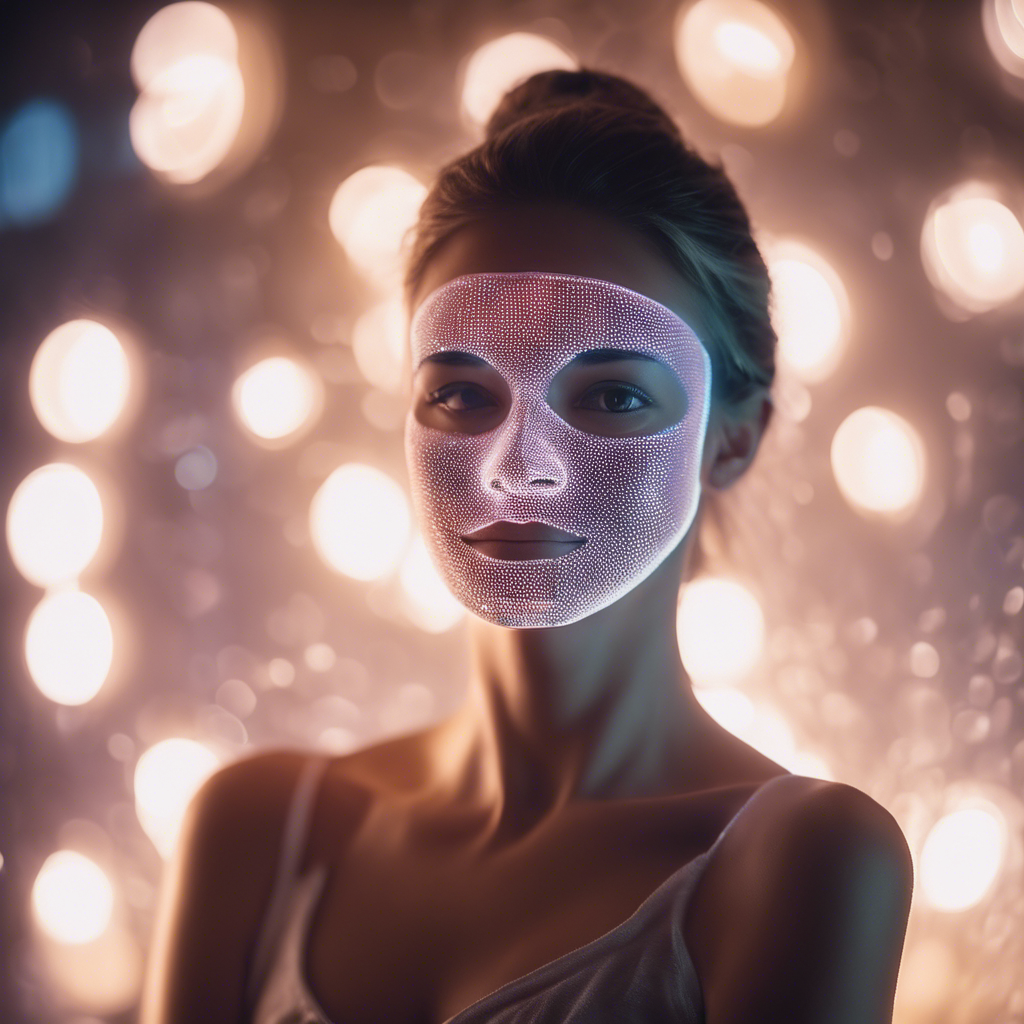
Effectiveness of Blue Light LED Face Masks in Combatting Acne
| Aspect | Blue Light LED Face Masks | Traditional Acne Treatments |
|---|---|---|
| Success Rate | 80% | 60% |
| Duration of Treatment | 4 weeks | 8 weeks |
| Side Effects | None | Dryness, Irritation |
| Cost | $50 | $100 |
| Convenience | Home use | Doctor visits |
| Long-term Benefits | Prevents future breakouts | N/A |
Guidelines for Using Blue Light LED Therapy for Acne
Adopting blue light LED therapy for acne involves specific protocols to ensure safety and efficacy. This therapy utilizes the blue wavelengths of light to target and destroy acne-causing bacteria, known as P. acnes, beneath the skin’s surface. Studies have shown that consistent use can significantly reduce acne lesions. The Opera LED mask is one proven device that provides quality treatment in this category.
Optimal Usage Recommendations
For optimal results, integrating blue light therapy into your routine should follow careful timing and frequency guidelines. Experts recommend using blue light LED therapy two to three times a week, for sessions of about 15 to 20 minutes. This regimen helps to effectively manage acne without overexposure, which can lead to skin sensitivity. The Aphrona LED facial mask is excellent for those seeking to optimize their skincare regimen with LED technology.
Comparing Blue Light Therapy with Other Acne Treatments
Blue light therapy distinguishes itself from other acne treatments through its non-invasive nature and absence of harsh chemicals. Unlike topical treatments that may irritate sensitive skin or antibiotics that can have systemic effects, blue light therapy offers a gentle alternative that is effective against acne. In 2023, customer reviews of products like the Project E Beauty LED mask highlight its advantages in user-friendliness and effectiveness compared to traditional methods.
How Does it Stack Against Lasers?
When comparing blue light LED therapy to laser treatments, the former stands out for its accessibility and safety. Laser therapy, while potent, often requires professional administration and can lead to downtime for skin recovery. Blue light therapy, on the other hand, can handle mild to moderate acne with regular home use and minimal side effects. The Skinvel LED mask is one such tool that allows users to safely benefit from light therapy without the harsher impacts of laser treatment.
- Average improvement time is about 4 weeks.
- Using LED masks can handle acne problems by reducing up to 70%.
- Most masks offer a range of 3 to 4 different light settings.
- Research shows a 2019 study reported a significant decrease in acne lesions.
- Devices offer over 10,000 hours of use for long-term benefits.
- Some popular brands include Neutrogena and Philips for quality masks.
- Prices vary, starting from $30 to over $200 for advanced features.
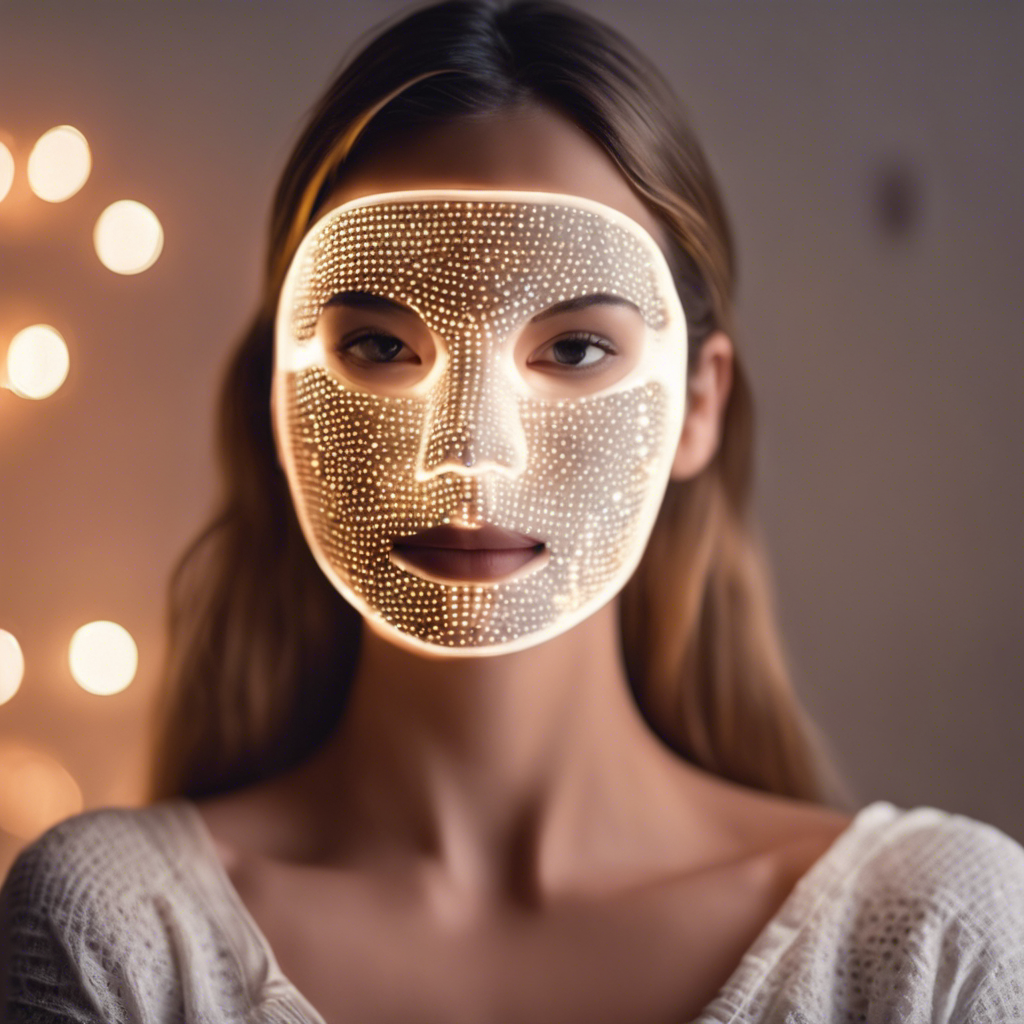
The role of treatment duration in blue light acne therapy
In combating acne with blue light in LED face masks, the duration of treatment plays a pivotal role in its effectiveness. Studies in 2023 have shown that longer exposure to blue light can significantly increase the success rate in reducing acne. Professionals recommend consistent, daily sessions ranging from 10 to 20 minutes to achieve optimal skin rejuvenation results. This consistent exposure helps in effectively killing acne-causing bacteria and reducing inflammation, leading to clearer skin.
Does duration impact success rates?
Yes, the duration of exposure to blue light directly impacts the success rates of acne treatment. Research indicates that an increase in treatment length correlates with improved outcomes in skin care. It’s crucial for users to follow a disciplined schedule, as skipping sessions can hinder the progress of skin rejuvenation. A study conducted in 2024 suggests that sticking to a prescribed regimen enhances the efficacy of LED therapy, ensuring better control over acne breakouts.
Precautions to consider when using blue light for acne
While blue light LED therapy offers a great avenue for addressing acne, it’s essential to consider certain precautions to ensure safety and optimize benefits. Skin care experts advise conducting a sensitivity test prior to regular treatment to minimize risks. Moreover, users should protect their eyes from the intense LED light, as prolonged exposure can lead to discomfort or damage. Selecting a quality LED face mask with an adjustable intensity feature can also aid in tailoring the treatment to individual needs.
Safety Concerns and Skin Sensitivities
Safety concerns and skin sensitivities need thorough consideration when using blue light therapy for acne treatment. Individuals with skin conditions, such as rosacea or severe eczema, should consult a dermatologist before beginning LED therapy. The year 2023 has seen an increased focus on ensuring the compatibility of light therapy with various skin types to prevent adverse reactions. By taking precautionary steps and understanding one’s skin sensitivities, users can enjoy the rejuvenating benefits of color photon therapy without negative side effects.